One of the hardest parts of finishing music isn’t sound design or mixing — it’s arrangement. Many producers get stuck looping 16 bars, not knowing how to stretch it into a full track that flows. The truth is, you don’t need to reinvent the wheel. Successful tracks often follow time-tested blueprints — tried and true song maps that keep listeners engaged.
Here are 10 arrangement templates for EDM, Trap, Techno, and Cinematic music you can apply right now.
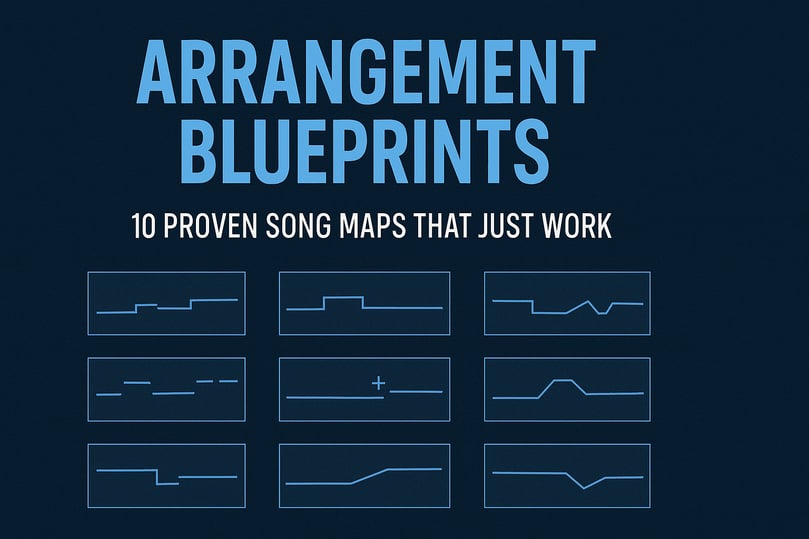
EDM Blueprint: The Classic Festival Banger
- Intro (16 bars) – filtered drums + riser.
- Build (16 bars) – add clap rolls, tension FX.
- Drop (32 bars) – full energy: kick, bass, leads.
- Break (16 bars) – pads, vocal chop.
- Build 2 (16 bars) – tension ramps higher.
- Drop 2 (32 bars) – slightly bigger/variation.
- Outro (16 bars) – energy fades.
💡 Hook placement: First drop arrives ~0:45 to grab attention.
Trap Blueprint: Hard-Hitting Beat Track
- Intro (8 bars) – simple melody + 808 tail.
- Drop/Verse (16 bars) – kick, 808, hats, lead vocal if present.
- Hook/Chorus (16 bars) – bigger 808, extra layers.
- Bridge (8 bars) – filtered drums or half-time variation.
- Chorus 2 (16 bars) – variation + vocal ad-libs.
- Outro (8 bars) – fade on loop.
💡 Pacing tip: Switch hi-hat patterns every 8 bars for movement.
Techno Blueprint: Long-Form Build Energy
- Intro (32 bars) – kick + hat groove, slow filter rise.
- Groove (32 bars) – add bass + percussion.
- Break 1 (16 bars) – drop to kick & atmosphere.
- Main Groove (64 bars) – gradual layering (synth stab, clap, shaker).
- Break 2 (32 bars) – filter sweep, risers, atmosphere.
- Drop 2 (64 bars) – maximum intensity, drive until outro.
- Outro (32 bars) – reduce to kick + hats.
💡 Energy curve: Techno thrives on long ramps and hypnotic layering.
Cinematic Blueprint: Trailer Style
- Intro (8 bars) – drones + atmosphere.
- Tension (16 bars) – strings, percussion building.
- Impact 1 (4 bars) – huge hit + silence.
- Build (16 bars) – rhythmic percussion, rising brass.
- Climax (16 bars) – full orchestra, choirs, braams.
- Outro (8 bars) – fade to drone.
💡 Hook placement: The impact hit is your hook — build towards it.
Progressive House Blueprint
- Intro (32 bars) – percussion + FX risers.
- Layer 1 (32 bars) – bass groove enters.
- Break 1 (32 bars) – stripped-down pads + vocal sample.
- Drop 1 (32 bars) – melody + bassline.
- Break 2 (32 bars) – alternate pads, filter sweep.
- Drop 2 (64 bars) – bigger, extended energy.
- Outro (32 bars) – fade elements one by one.
Future Bass Blueprint
- Intro (16 bars) – vocal chop atmosphere.
- Build (16 bars) – snare rolls + rising chords.
- Drop 1 (16 bars) – sidechained chords + modulated leads.
- Verse (16 bars) – quieter, vocal-led.
- Drop 2 (16 bars) – bigger with extra layers.
- Outro (8 bars) – pad fade.
Hip-Hop Blueprint
- Intro (4–8 bars) – sample or simple beat.
- Verse 1 (16 bars) – main rap section.
- Hook (8 bars) – vocal hook, full beat.
- Verse 2 (16 bars) – variation.
- Hook 2 (8 bars) – repeat, possible ad-libs.
- Outro (4–8 bars) – fade with hook or beat.
DnB Blueprint
- Intro (16 bars) – pads, atmospheres, filtered breaks.
- Build (16 bars) – risers, drum fills.
- Drop 1 (32 bars) – main drums + reese bass.
- Break (16 bars) – stripped drums, vocal sample.
- Drop 2 (32 bars) – heavier variation.
- Outro (16 bars) – fade drums.
Pop EDM Crossover Blueprint
- Intro (8 bars) – chords + vocal phrase.
- Verse (16 bars) – vocal-led, minimal drums.
- Pre-Chorus (8 bars) – tension riser, melodic shift.
- Chorus/Drop (16 bars) – big synths, hook vocal.
- Verse 2 (16 bars) – new lyrics.
- Pre-Chorus (8 bars) – repeat.
- Drop 2 (16 bars) – larger variation.
- Outro (8 bars) – fade.
Ambient / Chill Blueprint
- Intro (16 bars) – pad layers fade in.
- Section A (32 bars) – soft beats, evolving textures.
- Section B (32 bars) – new melody enters.
- Bridge (16 bars) – drone or texture only.
- Section C (32 bars) – combine A+B.
- Outro (16 bars) – fade pad tail.
The Takeaway
These arrangement blueprints remove the guesswork. Start with a proven map, drop your ideas into the slots, and tweak. You’ll spend less time worrying about structure — and more time finishing tracks.
Apply It Today
Apply a blueprint to a WA Production template or your current project. Compare your arrangement in 15 minutes and hear how much smoother it flows.
10 Proven Song Maps That Just Work
Related Posts
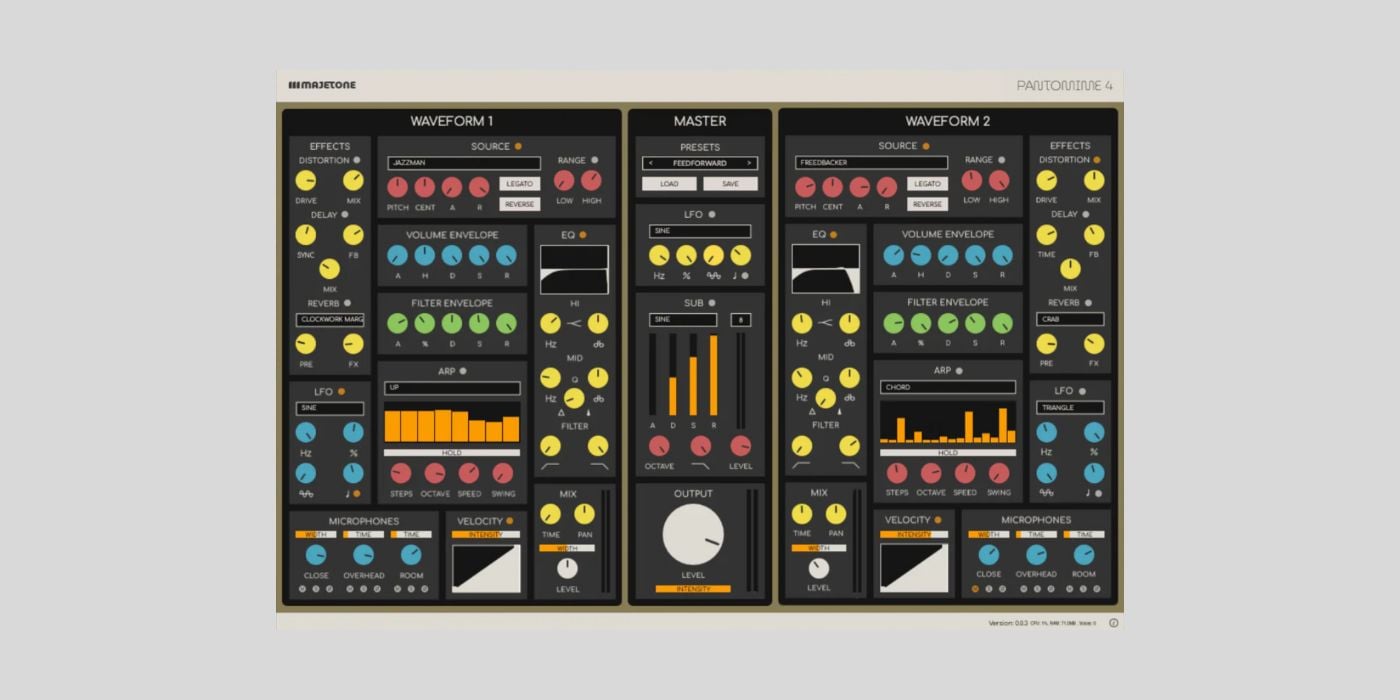
Majetone offers Pantomime 4 virtual synth FREE for email subscribers
Developer Majetone is offering Pantomime 4, a virtual synthesizer with…
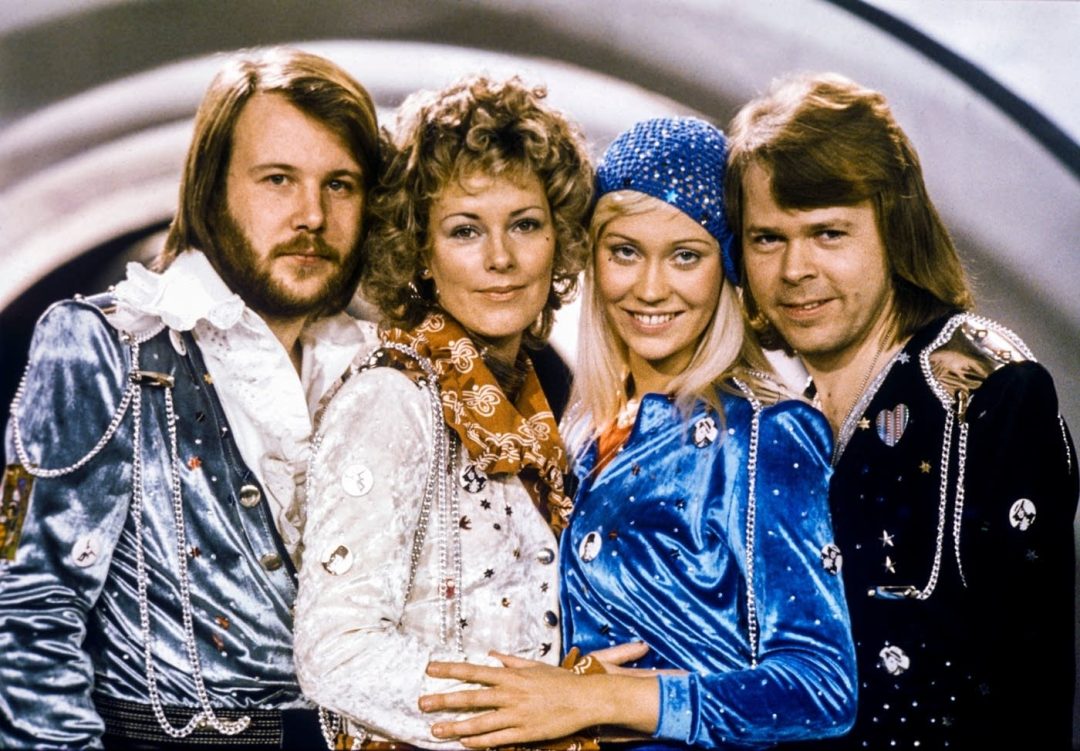
ABBA’s Genius, Hook After Hook, A Conversation with Steven Wilson
var googletag = googletag || {}; googletag.cmd = googletag.cmd ||…
Naturally Authentic Reverb, Put Through a Real Room Test
var googletag = googletag || {}; googletag.cmd = googletag.cmd ||…